Tinubu Moves to Waive Airline Debts and Cut Ticket Fees Amid Jet A1 Fuel Crisis
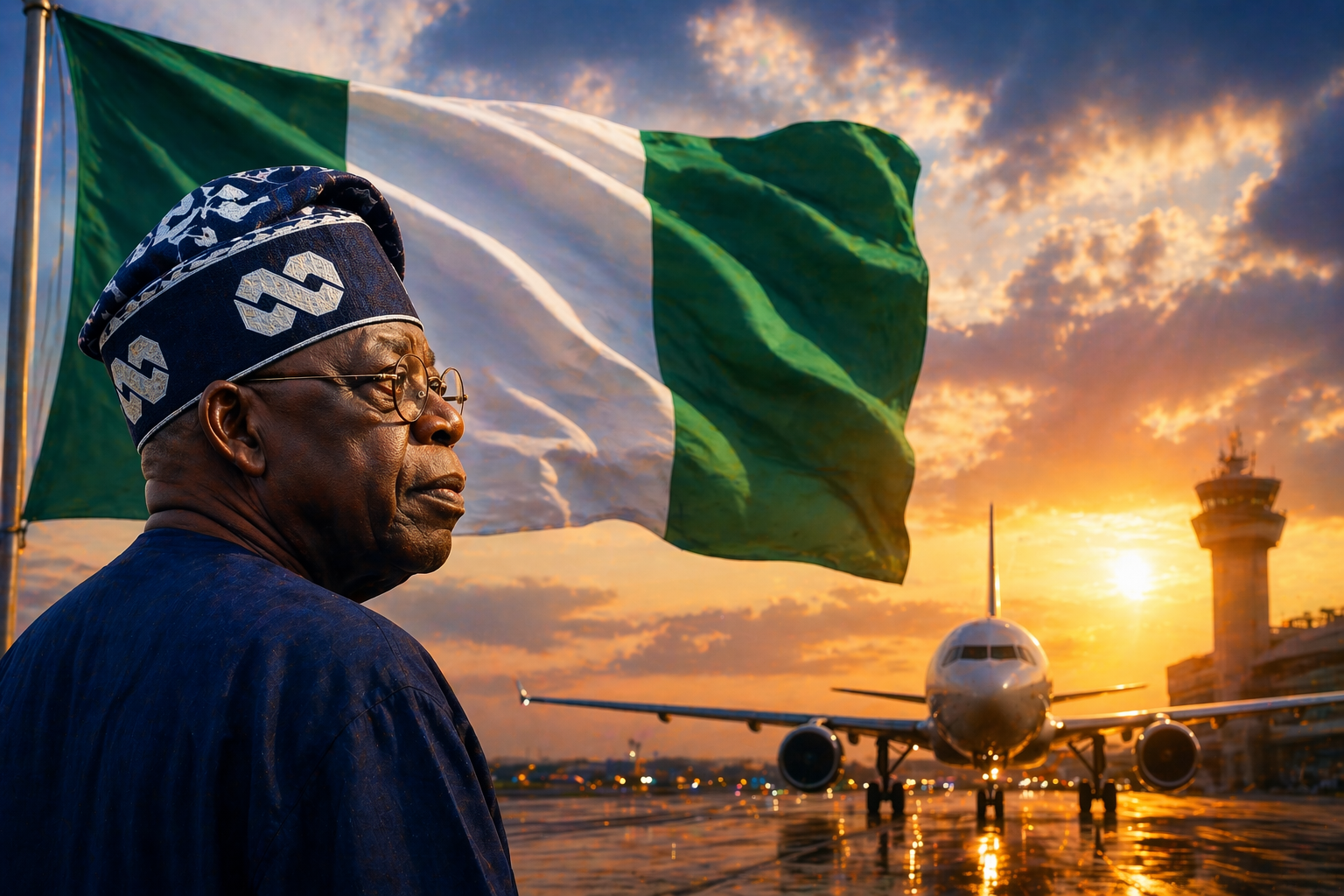
President Bola Ahmed Tinubu has announced plans to waive debts owed by domestic airlines to aviation agencies and reduce multiple levies, taxes, and fees on domestic tickets. The move is part of urgent efforts to cushion the impact of the ongoing Jet A1 fuel crisis in Nigeria.
The announcement was disclosed by Aviation Minister Festus Keyamo during a high-level meeting with airline operators and oil marketers in Abuja, convened to address the sharp rise in the cost of aviation fuel.
Government Plans Airline Debt Relief
According to the minister, the president has agreed in principle to grant a discount on the debts owed by airlines to key aviation agencies, including the Federal Airports Authority of Nigeria, Nigerian Airspace Management Agency, and Nigerian Civil Aviation Authority.
While the exact percentage of the debt relief is yet to be determined, the move signals a major shift in Nigeria’s aviation reforms aimed at stabilising the struggling airline industry.
Keyamo noted that the president is highly concerned about the operational challenges facing airlines and acknowledged the difficult conditions under which they currently operate.
Plan to Reduce Ticket Fees in Nigeria
In addition to the proposed airline debt waiver in Nigeria, the government is also moving to address the long-standing issue of multiple charges embedded in domestic airfares.
President Tinubu has directed the formation of a committee tasked with reviewing and recommending the removal of certain levies, taxes, and fees on domestic tickets. The goal is to reduce the overall cost burden on passengers and make domestic flights more affordable.
This development could significantly impact domestic flight prices in Nigeria, especially at a time when rising Jet A1 fuel costs have driven ticket prices to record levels.
Airline Operators Push for Full Waiver
Speaking on behalf of airline operators, Allen Onyema urged the government to go further by approving a full waiver of all debts owed by airlines rather than partial discounts.
He also called for a temporary suspension of further payments by airlines until global fuel supply conditions stabilise, particularly referencing disruptions linked to the Strait of Hormuz.
Onyema highlighted broader structural challenges within the aviation sector, including the high cost of financing in Nigeria, where airlines face interest rates of up to 30–35 percent compared to around 3 percent globally.
What This Means for Nigerian Travellers
For travellers, these proposed reforms could lead to a reduction in domestic flights Nigeria ticket prices over time. Lower operational costs for airlines may translate into more competitive fares, improved route availability, and greater stability in scheduling.
However, the timeline for implementation remains uncertain, as both the debt relief structure and ticket fee adjustments will require further government review and execution.
Afari’s Insight: What Travellers Should Watch
Travellers should keep an eye on how quickly these reforms are implemented and whether airlines pass on cost reductions to passengers.
At Afari Travels & Tours, we continuously monitor aviation policy changes and pricing trends to help you secure the best deals. Whether you are booking domestic flights in Nigeria or planning, our team provides reliable Afari flight booking assistance and real-time travel updates in Nigeria.
Stay connected with Afari for timely insights and support to help you travel smarter, even in a changing aviation landscape.
)
)
)