Japan’s JICA “Africa Hometown” Plan Launched at TICAD 9, Then Withdrawn After Visa Confusion
Editor’s note: JICA announced on 25 September that it has withdrawn the “Africa Hometown” initiative after widespread misreporting sparked confusion about supposed migration benefits. JICA says it will keep supporting international exchanges by local governments without the “Hometown” framework. JICA
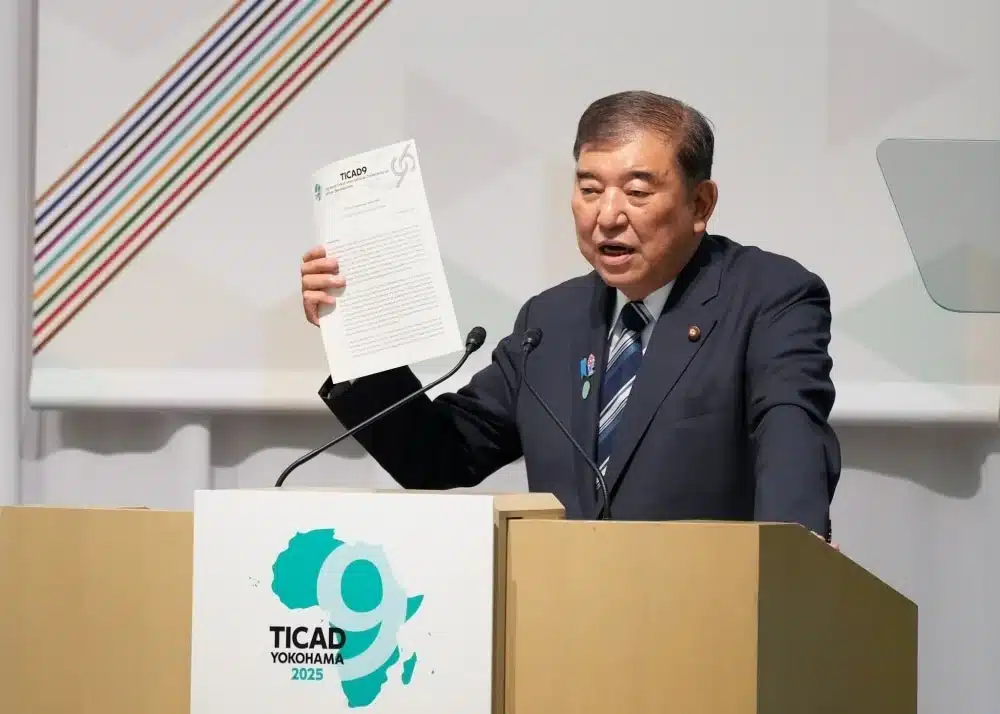
Japan unveiled the “JICA Africa Hometown” initiative during the Ninth Tokyo International Conference on African Development, held in Yokohama from August 20 to 22, 2025. The programme paired four Japanese municipalities with four African partner countries: Imabari with Mozambique, Kisarazu with Nigeria, Sanjo with Ghana, and Nagai with Tanzania. The goal, officials said, was long-term community-level collaboration in areas like skills, business links, and cultural exchange.
From the outset, Tokyo rejected claims that the scheme offered a fast track to residency. Japan’s foreign ministry stated there were no plans for special visas or immigration measures under the programme, and it asked the Nigerian government to correct statements to the contrary. The Embassy of Japan in Nigeria published similar clarifications.

Despite those clarifications, mistranslations and sensational headlines fuelled online backlash inside Japan and confusion in several African media markets. JICA later documented corrections by outlets and noted an amended BBC Pidgin piece that removed visa claims. The pressure culminated in JICA scrapping the initiative on 25 September. At TICAD 9, Prime Minister Shigeru Ishiba framed Japan’s Africa policy around co-creation and people development. In his opening and closing remarks, he emphasised the importance of youth, technology, and industry growth under the summit theme, “Co-create innovative solutions with Africa.” The conference concluded with the signing of the Yokohama Declaration.
What the withdrawal means
JICA’s exit does not end city-to-country partnerships in principle. The agency states that it will continue to support exchange activities by local governments through alternative channels. For Nigerians and other partners, the immediate change is clarity rather than closure, since there were never special visas attached to the “Hometown” idea. Regular Japanese visa and immigration rules still apply.
About the Author
Sharon is the Head of Legal Affairs at Afari, where she also consults on automation and AI integrations. She provides strategic legal guidance across compliance, governance, and contracts, ensuring the company’s operations and international partnerships are secure and future-proof. With a background in law, strategy, and business advisory, Sharon is driven by a commitment to building resilient structures that support sustainable growth.
)
)
)