Breaking Update: Middle East Airspace Closures — What Travellers Need to Know
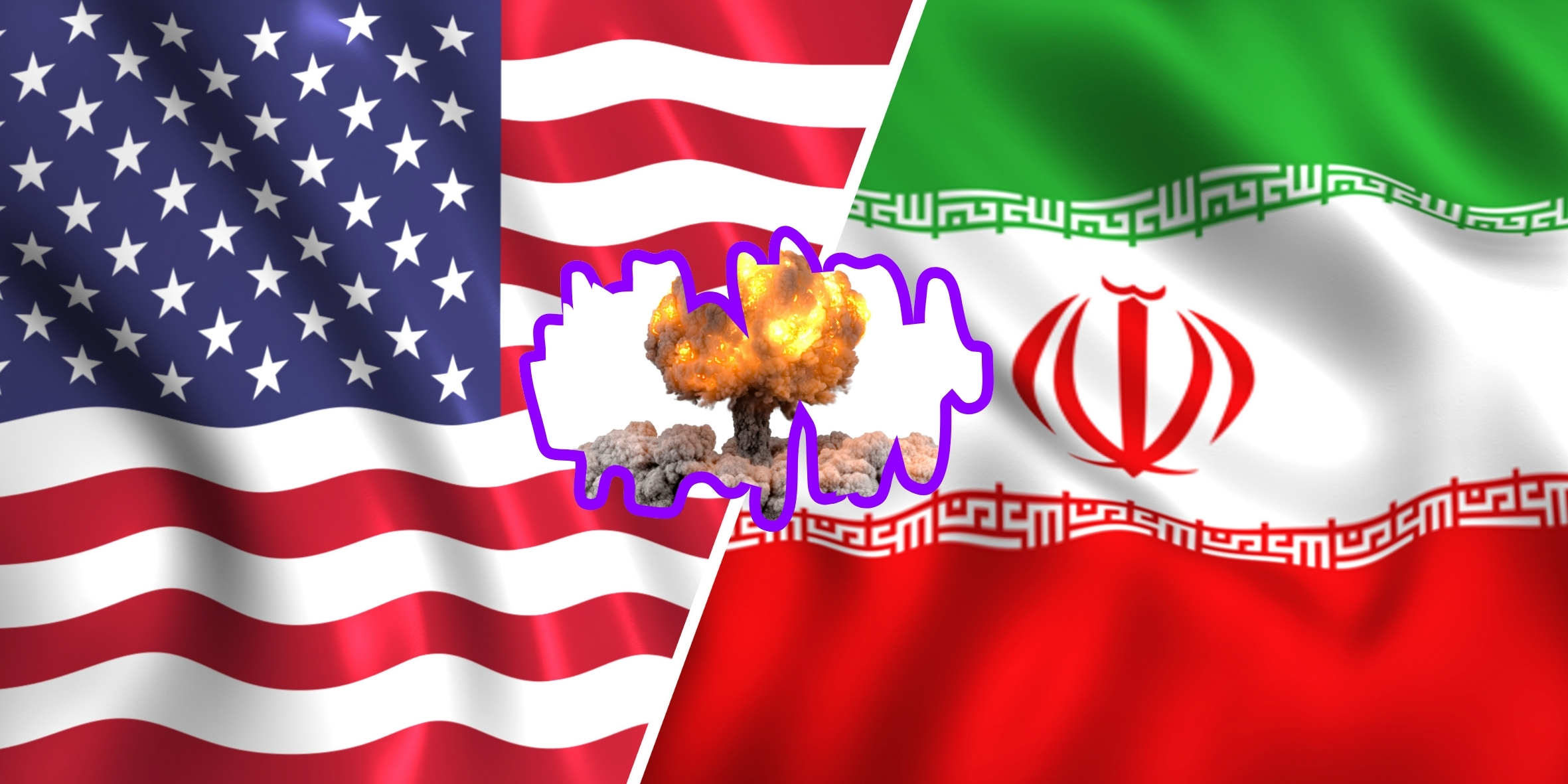
Travellers across the world are currently experiencing major flight disruptions after several Middle Eastern countries temporarily closed or restricted their airspace. The Middle East airspace closures follow escalating regional tensions involving Iran and Israel on 28 February 2026.
Following military escalation involving Iran and Israel, aviation authorities in parts of the region introduced emergency airspace restrictions as a safety precaution. This has led to widespread flight cancellations, rerouting, and temporary airport shutdowns.
Countries reported to have imposed closures or restrictions include:
- Iran
- Iraq
- Israel
- Qatar
- Kuwait
- UAE
How Middle East Airspace Closures Are Affecting Airlines
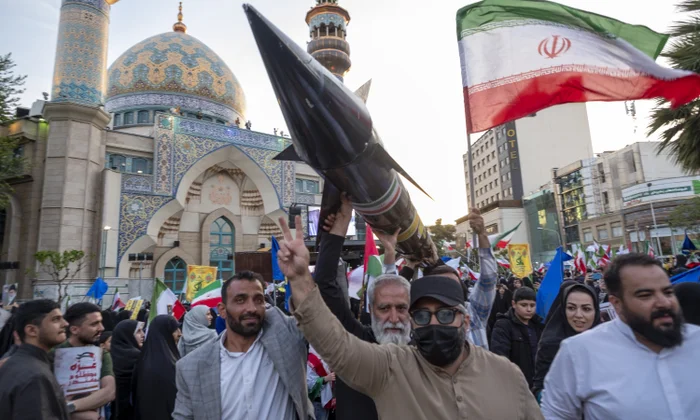
Qatar
Qatar temporarily closed its airspace, leading to a suspension of aircraft movements at Hamad International Airport. Qatar Airways confirmed a temporary pause on flights to and from Doha and warned passengers to expect delays once operations resume.
United Arab Emirates
The UAE’s General Civil Aviation Authority announced a temporary partial closure of its airspace as a precautionary measure to ensure the safety of flights and crew.
Wider airline impact
Major international carriers have cancelled or rerouted flights to avoid affected airspaces. Longer flight times and operational delays are expected across global networks.
How Middle East Flight Disruptions Affect Travellers Globally
Because the Gulf region is one of the world’s busiest transit corridors, disruptions extend far beyond the Middle East.
- Last-minute cancellations or schedule changes
- Rerouting through alternative countries
- Longer travel times due to the avoidance of certain airspaces
- Increased congestion at major transit hubs once operations restart
Real traveller experiences (what people are saying)
Passengers have reported sudden changes and uncertainty while waiting at airports, especially on social media. But it’s important to note that social media reports reflect personal experiences and may change quickly as the situation evolves.
Advice from Afari Travels & Tours
1. Check your airline directly. Do not rely only on third‑party apps; airlines are updating flight statuses in real time.
2. Avoid tight connections. If your itinerary includes a connection through Doha, Dubai, Abu Dhabi, or nearby hubs, leave extra transit time where possible.
3. Expect schedule changes. Airlines may reroute flights via longer paths for safety, which can affect arrival times.
4. Stay flexible. If your trip is non‑urgent, consider postponing until operations stabilise.
How Long Will The Middle East Airspace Closures Last?
Airspace closures are typically temporary and reviewed continuously by aviation authorities. Airlines and airports have stated they will resume operations as soon as safety conditions allow.
How Afari Travels supports you
- Monitoring airline updates in real time
- Assisting clients with rebooking and rerouting options
- Providing alternative travel routes where available
- Offering updated travel guidance as the situation changes
Final thoughts
Global aviation can change rapidly during geopolitical events. While disruptions are frustrating, these measures are primarily implemented to protect passengers and crew.
If you currently have a booking through the Middle East, our team is available to help review your itinerary and explore alternatives.
Stay safe, stay informed, and travel smart.
Frequently Asked Questions
Are flights cancelled in the Middle East right now?
No, not all flights in the Middle East are cancelled, but several airlines have temporarily cancelled or rerouted flights due to airspace restrictions.
Is Dubai airspace closed?
Yes, Dubai airspace is closed at the moment. The UAE announced a partial temporary closure as a precautionary safety measure.
Should I cancel my trip?
No, it is not advisable to just cancel your trip. Check directly with airlines before making any changes.
)
)
)